

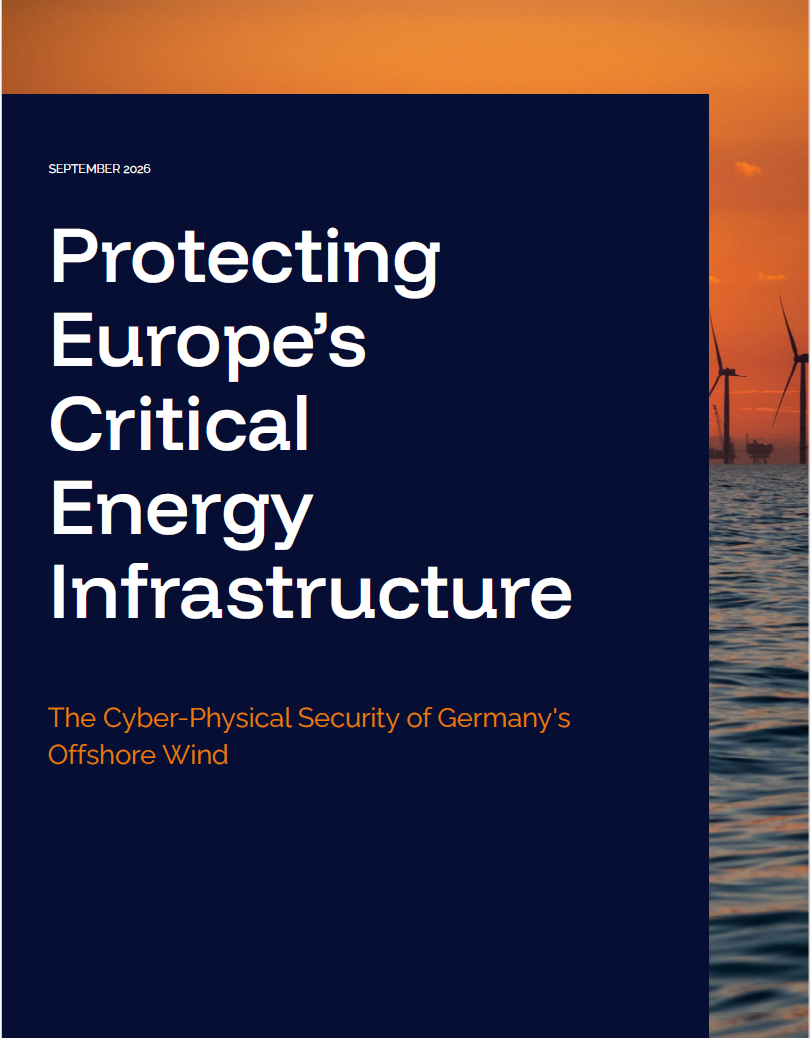
EIES Report: Protecting Europe’s Critical Energy Infrastructure
The expansion of offshore wind is transforming the North and Baltic Seas into a strategic energy backbone for Germany and Europe, critical to industrial competitiveness and energy security. Yet, with growing evidence of cyber, hybrid and physical attacks, security and resilience measures have not kept pace with the sector’s growing importance.
As North Sea countries prepare to build 300 GW of offshore-wind capacity by 2050, ensuring security keeps pace with deployment is a challenge for its energy security and industrial resilience. This EIES report examines the cyber, physical and supply chain vulnerabilities of offshore wind in Germany specifically and sets out how to prevent them, mitigate disruption and strengthen response and recovery. Europe is wiring its grids, military bases and data centres with battery systems it does not control, built and operated by a strategic rival. And it is spending public money to do so: funding the very Chinese dependence Brussels regulators seek to mitigate, putting Europe's battery industry at risk.
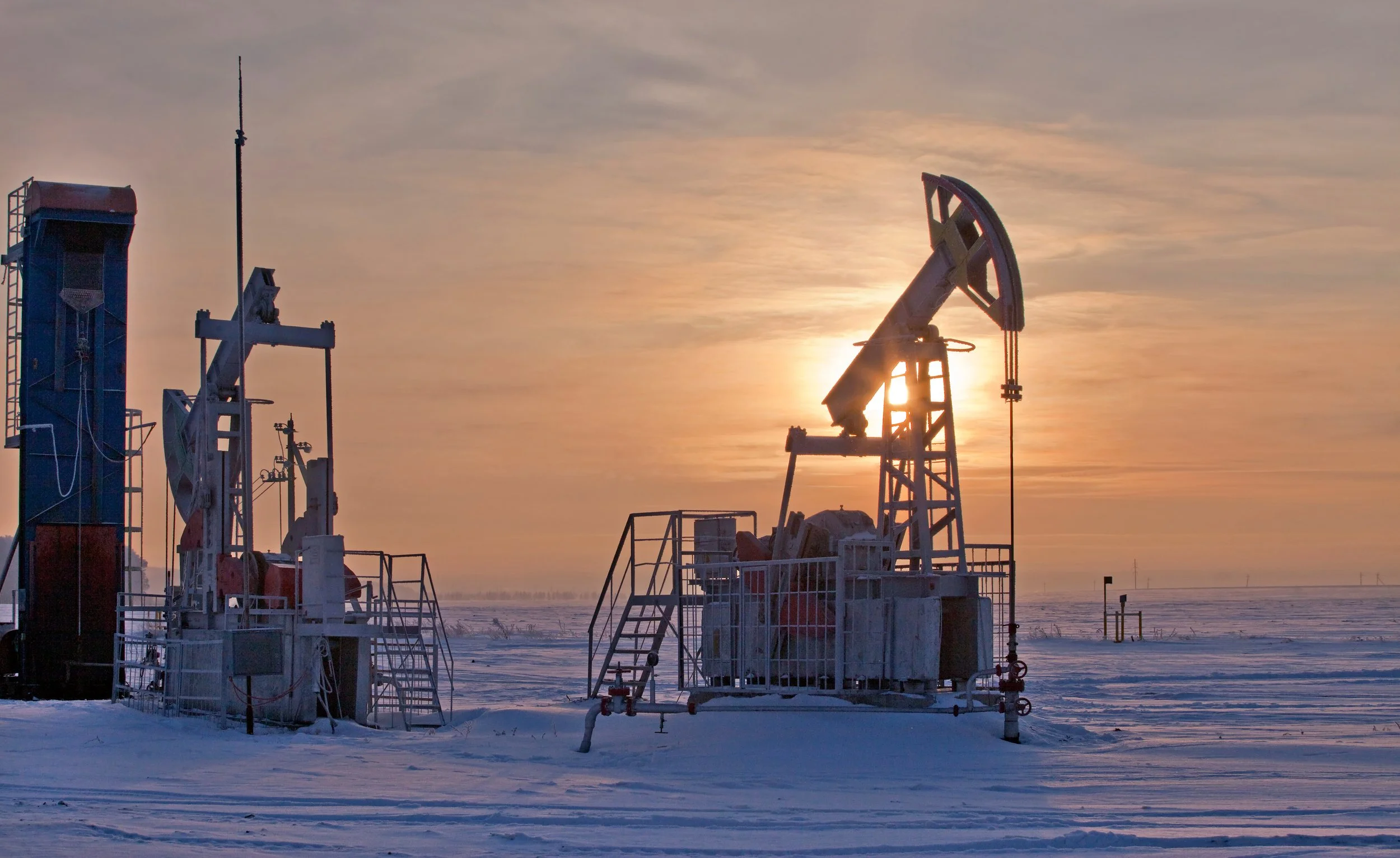
Independent Brief: Liquidating the Russian Petrostate
In this independent brief, @Thomas O’Donnell argues that a coordinated US-Ukrainian campaign, including sanctions, tariffs, and air strikes on Russian oil infrastructure, could severely damage Russia's oil industry. Rising inflation and elevated interest rates have already intensified the Kremlin’s economic challenges, especially as oil prices remain near their lowest since Russia’s invasion, while armed forces target Moscow’s critical infrastructure to disrupt its oil exports.
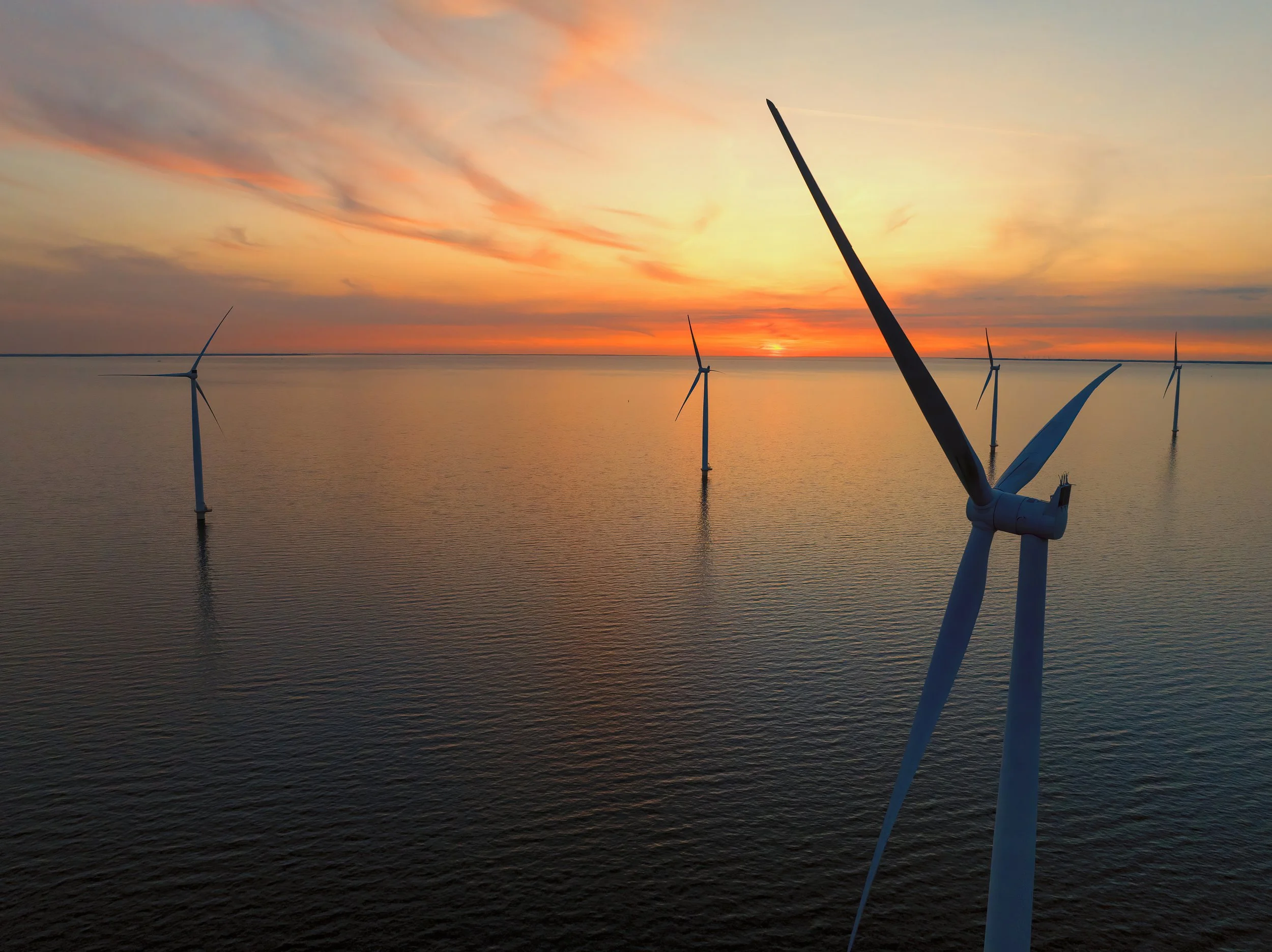
The North Sea as Europe’s Energy Backbone
The North Sea as Europe’s Energy Backbone outlines policy recommendations to secure the large-scale deployment of offshore wind in the North Sea, including bankable de-risked investment frameworks, integrated cross-border maritime grid planning, and strengthened public-private cooperation to protect critical offshore energy infrastructure.


