Podcast: AI-powered threats put Europe's power system on high alert
As a new kind of low-intensity warfare spreads across Europe, ranging from grid sabotage and drone incursions to AI-enabled cyberattacks by state and non-state actors, Europe must move faster to protect its energy system.
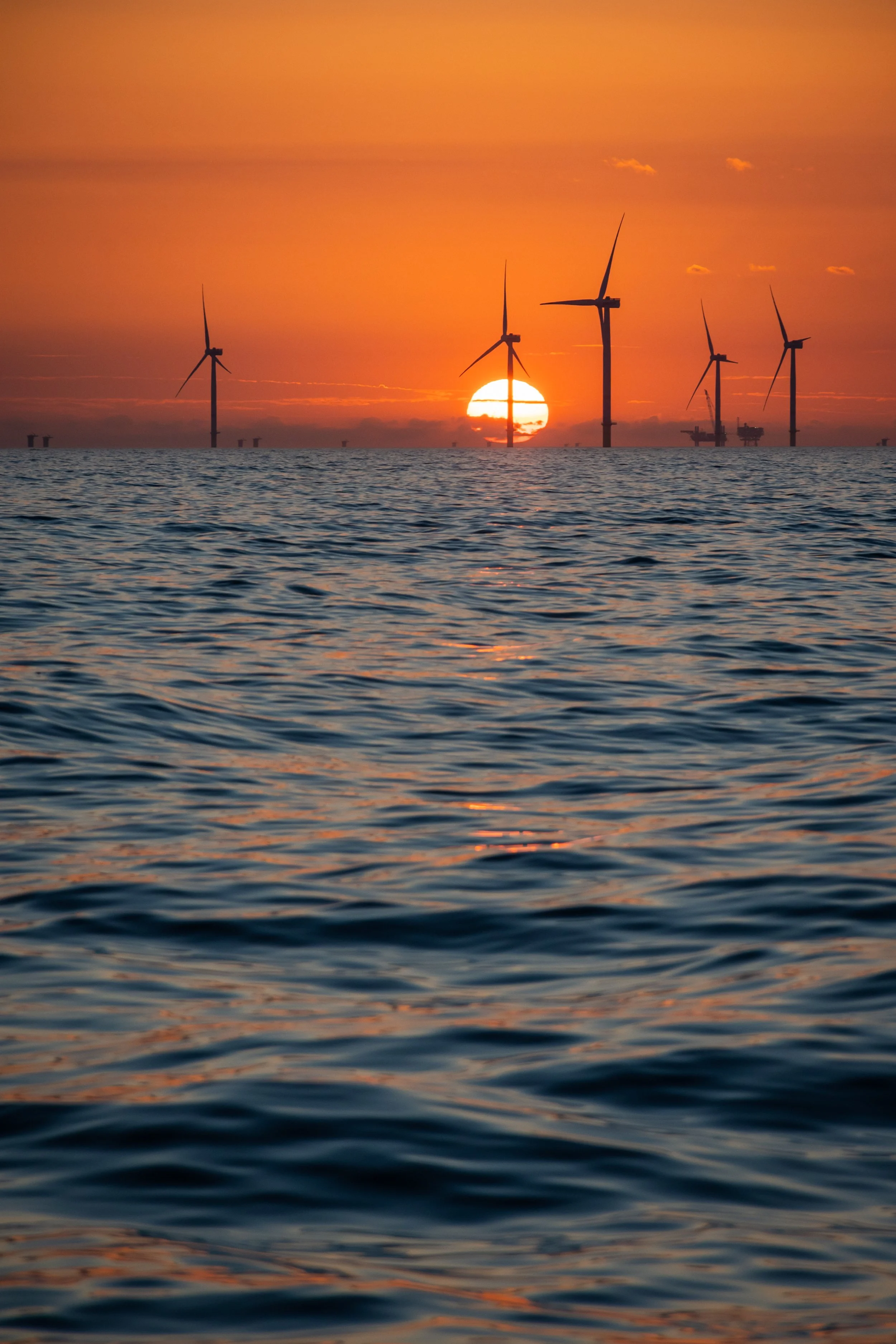
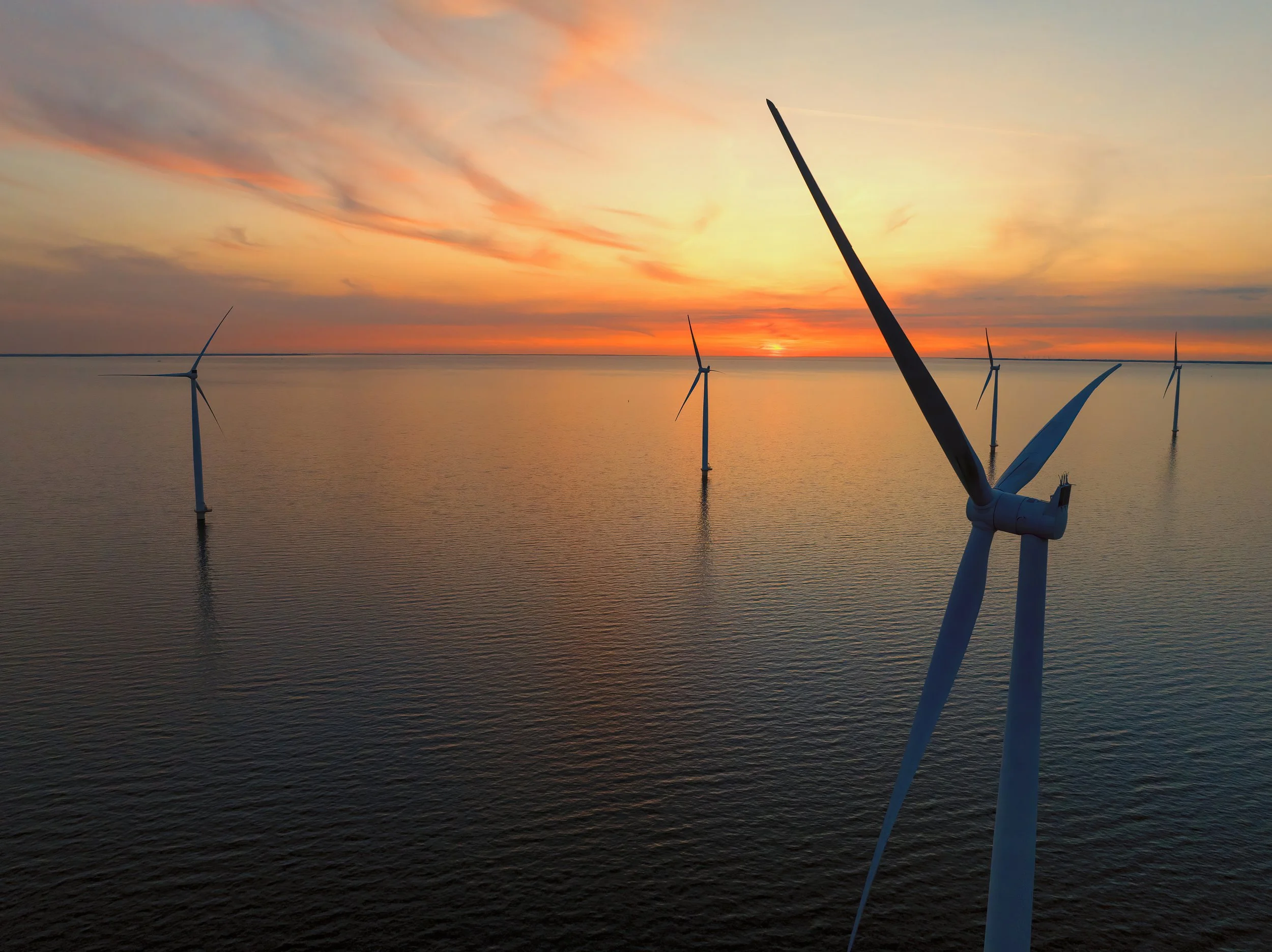
Security must keep pace with Europe’s offshore wind expansion
Security must keep pace with Europe’s offshore wind expansion, EIES report warns.
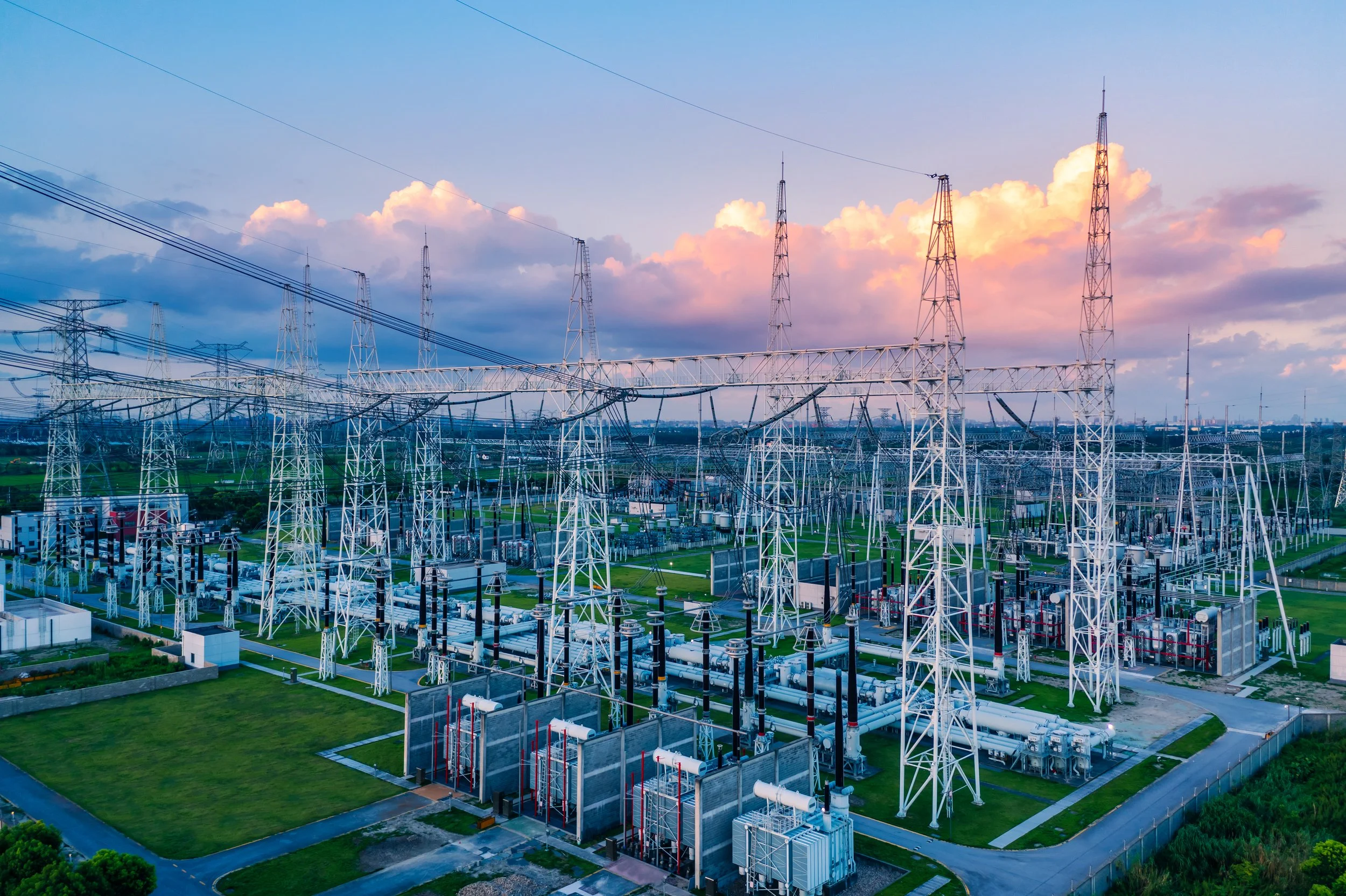
The EU should open state aid to cleantech manufacturing to meet electrification goals
The EU should open state aid to cleantech manufacturing to meet electrification goals
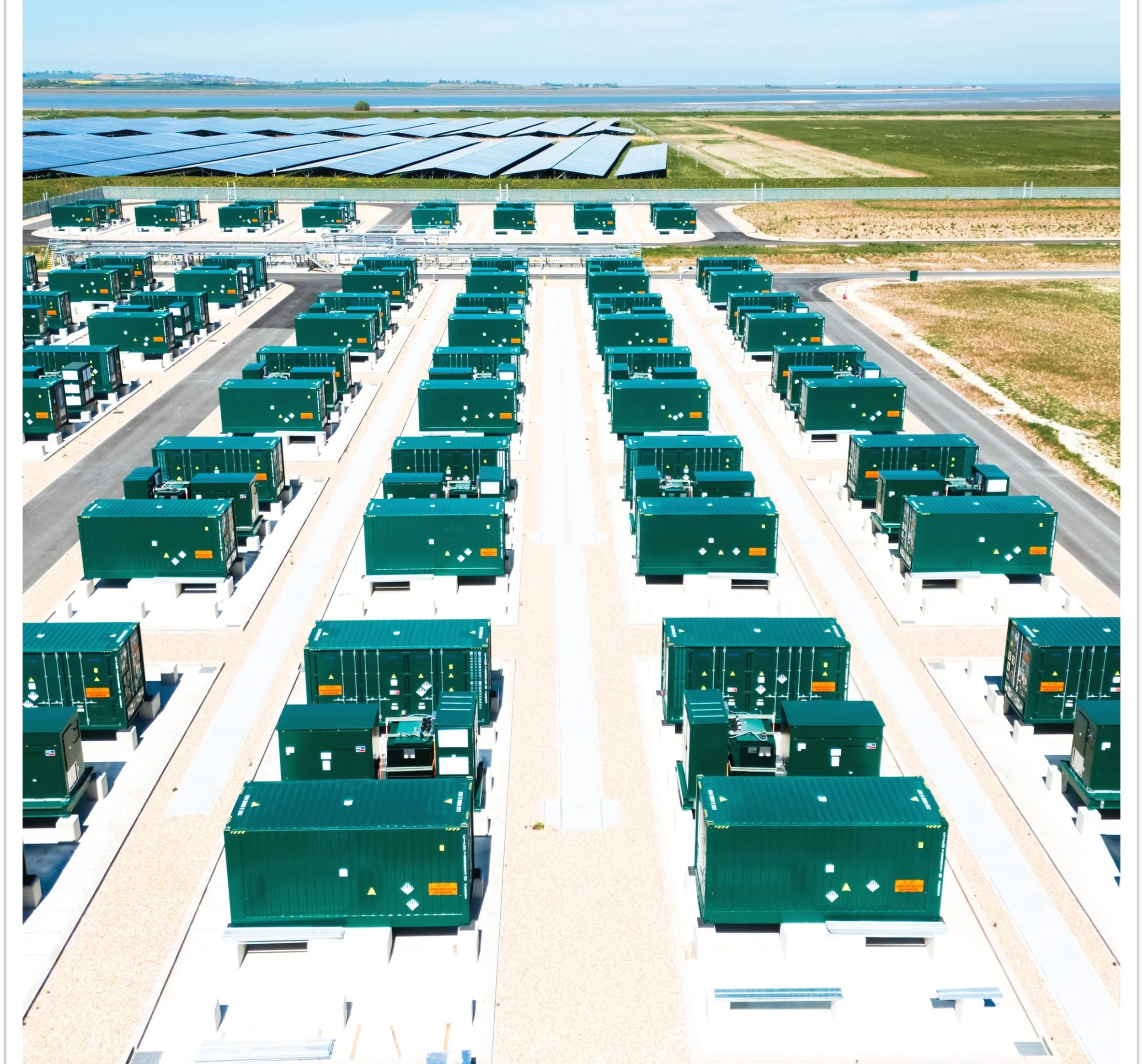
Europe is funding its Chinese battery dependence, EIES report warns
Europe is funding its Chinese battery dependence, EIES report warns
Open Letter: Security experts urge IEA to step up energy crisis response
Sixteen independent energy security experts, including Albéric Mongrenier, EIES’ Executive Director, and General Tom Middendorp (Ret.), member of the ESLC-E, former Netherlands Chief of Defence, Chairman of the International Military Council on Climate and Security, have written to Dr Fatih Birol, executive director of the International Energy Agency, urging a stronger response to the ongoing global oil and gas crisis.
The group of former military chiefs, academics, and geopolitics experts says that accelerating the transition to clean, safe, and affordable energy systems is a security imperative. It calls on the IEA to provide guidance to governments on how to reduce exposure to volatile oil and gas markets, as it did to the EU immediately after Russia’s 2022 invasion of Ukraine.
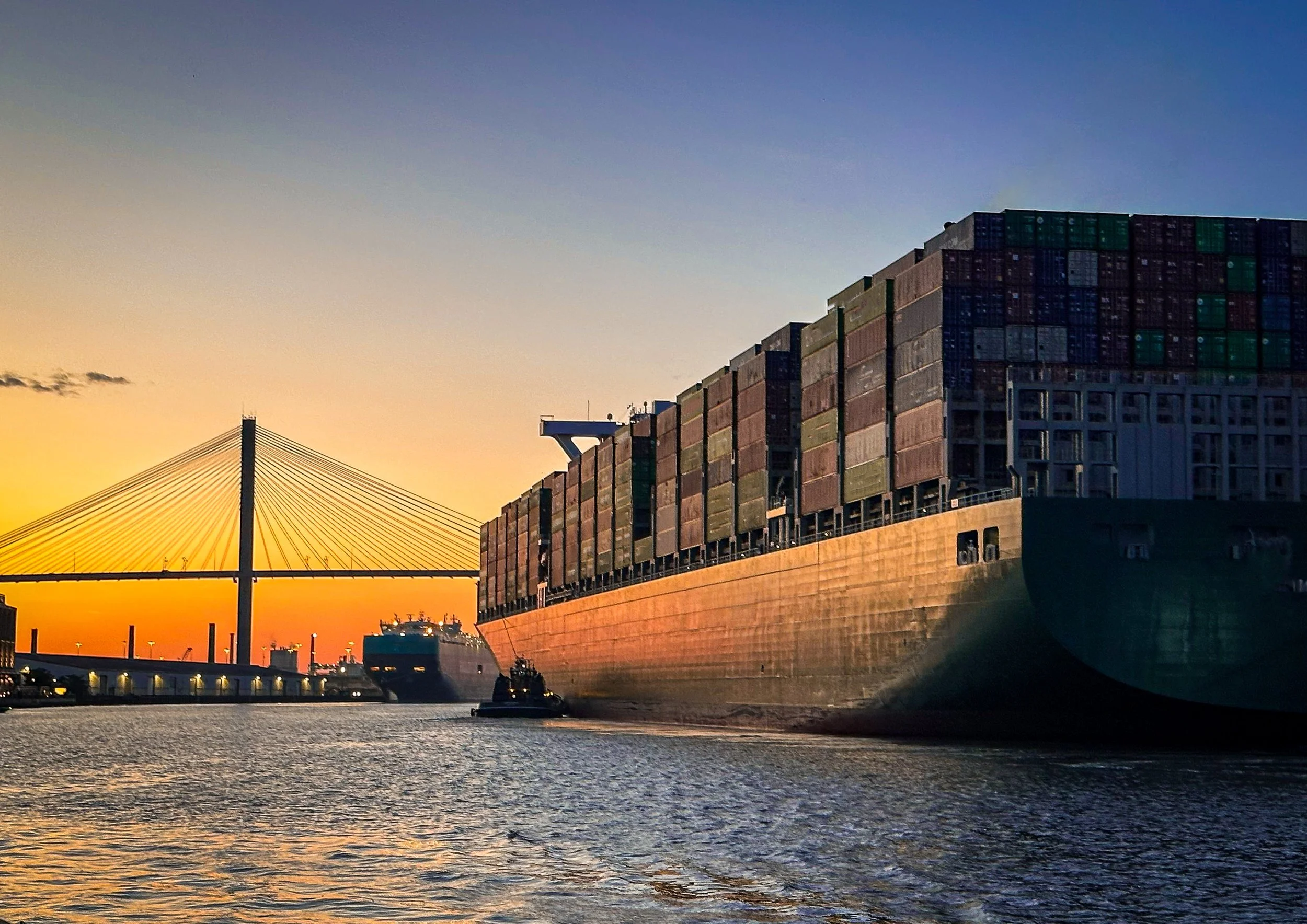
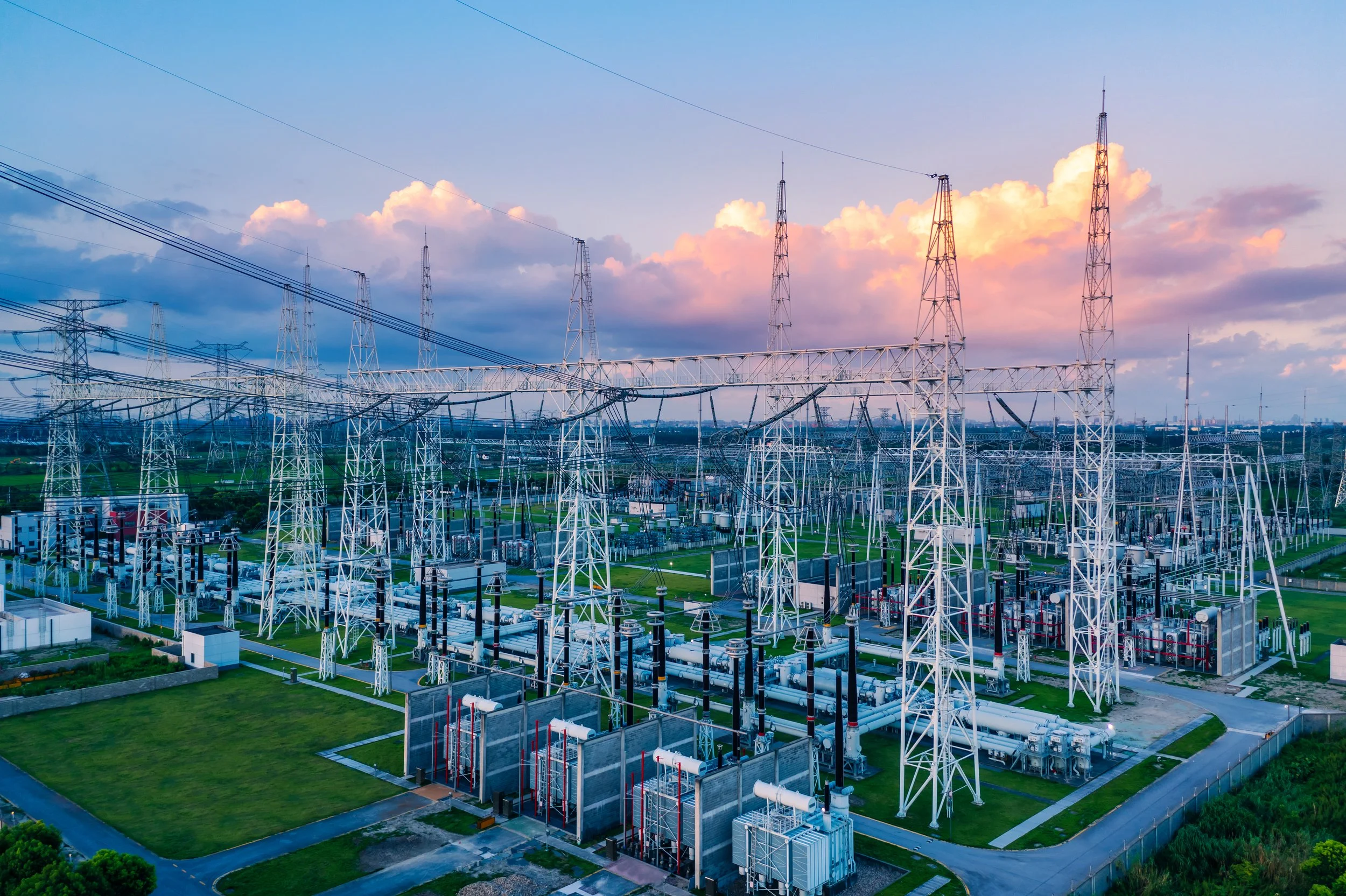
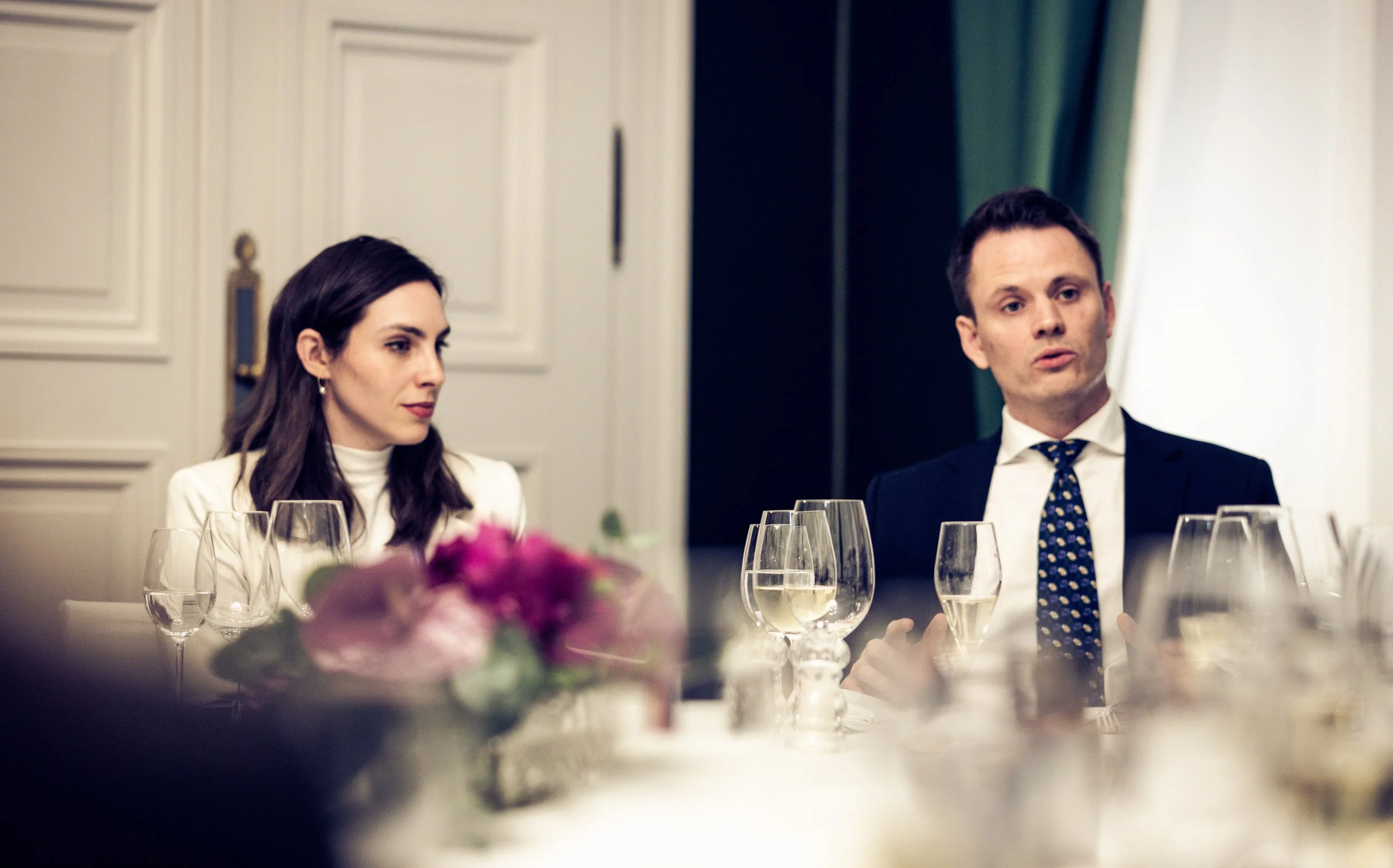
The Elements of an Alliance? NATO’s critical minerals imperative – EIES and SAFE host discussion on the sidelines of the Munich Security Conference
On Friday, 13 February, SAFE’s Center for Critical Minerals Strategy and the European Initiative for Energy Security (EIES) hosted a high-level dinner on the sidelines of the Munich Security Conference, ‘The Elements of an Alliance? NATO’s critical minerals imperative.’ The dinner brought together representatives from NATO and Allied governments, and leaders from the defence and minerals sectors to assess how the Alliance can deliver the greatest value in coordinating and implementing new investments in critical minerals supply chains and best align with efforts by the US, EU, G7, Allied nations, and Asian partners.
Open Letter - Wanted: European Batteries for Defence
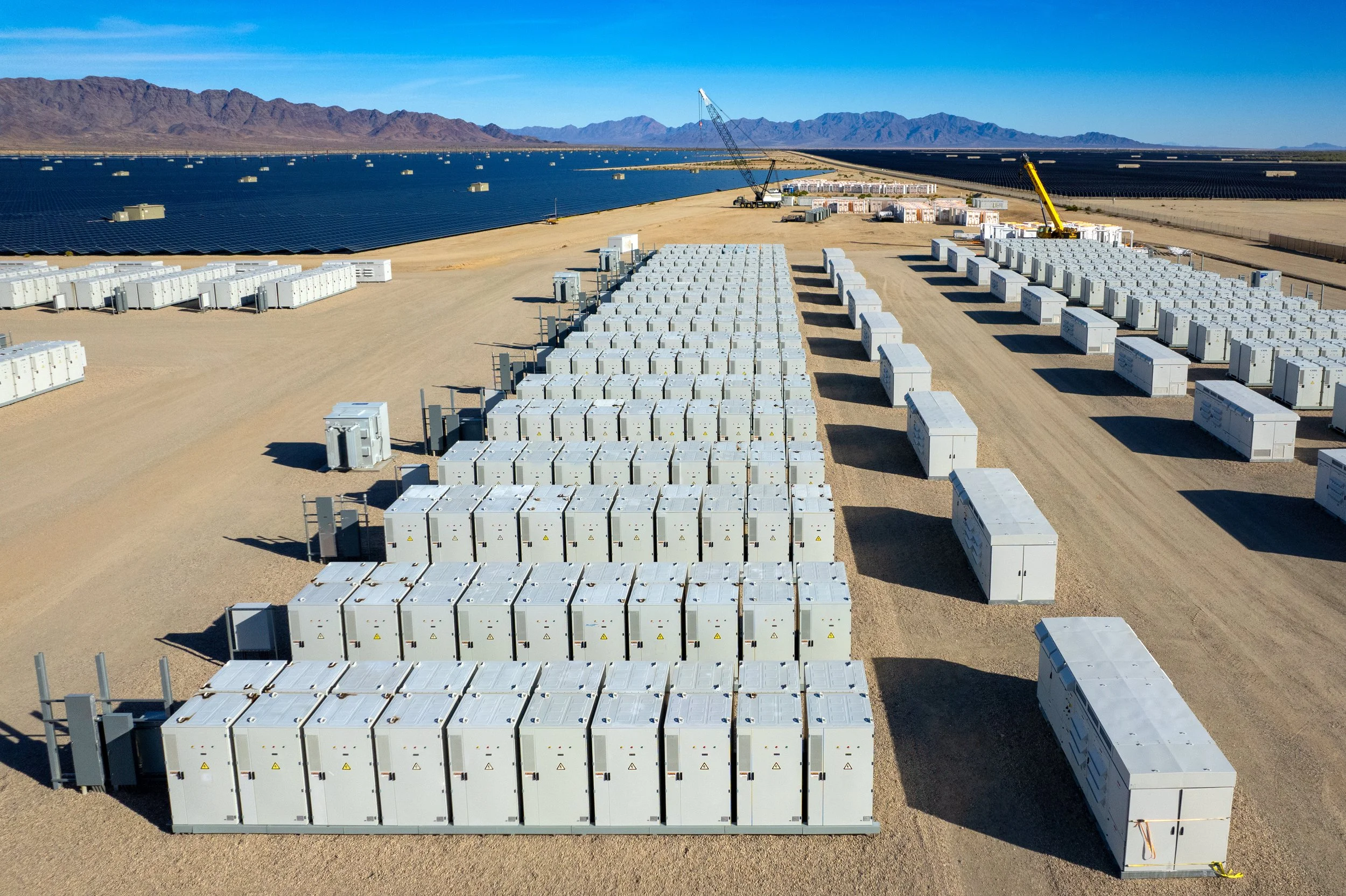
We are writing as practitioners of energy, economic, environmental, and national security at a moment when all of these, as well as Europe’s industrial competitiveness and strategic autonomy, are threatened by China’s dominance of critical resources and supply chains.
Building better batteries and secure supply chains has been a top-of-inbox issue for Western political and industrial leaders for several years, initially driven by the push for electric vehicles. More recently, COVID and the Ukraine war have alerted us to both our near-total dependence on China, and the dangers of depending on adversaries for the building blocks of modern economic and military power. Meanwhile, battery capabilities have soared, and prices plummeted, in one of the greatest, if less heralded, innovation revolutions of recent years.