

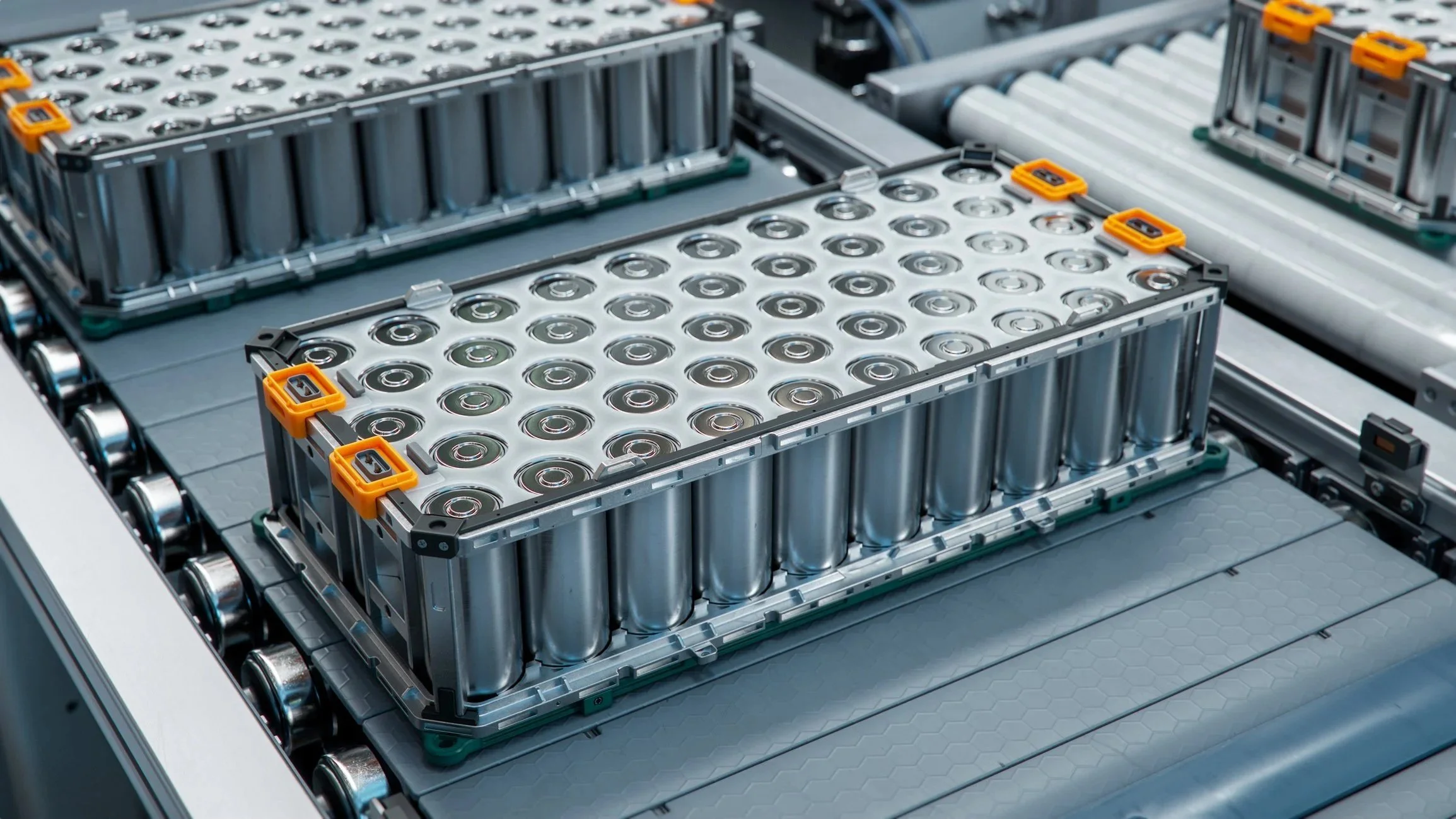
Open letter: The Circular Economy Act must help scale Europe’s battery recycling capacity
T&E, RECHARGE, Cleantech for Europe and EIES have written to the European Commission urging that the upcoming Circular Economy Act introduce measures to help scale Europe’s battery recycling capacity. With over half of Europe’s battery recycling capacity at risk and at least 60% of Europe’s black mass leaving the EU, the letter calls for action to stop black mass leakage and to encourage investment in EU refining capacity.
Making DiversifyEU Deliver for European Industry
EIES sets out how DiversifyEU can secure Europe’s critical industries through risk-based diversification, viable alternative supply and trade action.

Don’t Let the Accelerator Become a Brake
The Industrial Accelerator Act (IAA) must not become an industrial decelerator. EIES calls on the Council to retain the IAA’s battery requirements, introduce earlier binding localisation requirements and reject the Franco-German proposal to move automotive provisions into the Automotive Package.

Strengthening Europe’s Battery Value Chain through the Industrial Accelerator Act
Batteries are the backbone of the modern economy. On 2 September, EIES and its partners convened policymakers, CEOs and senior leaders from across the battery value chain to discuss what the Industrial Accelerator Act (IAA) must deliver.
The message was unequivocal: the IAA could become a defining intervention in European industrial policy, but it will succeed only if it changes investment decisions and builds production in Europe.

Securing Europe’s Energy Transition: Lessons from a Scenario Game on Battery Storage and Resilience
Securing Europe’s Energy Transition: Lessons from a Scenario Game on Battery Storage and Resilience
Europe cannot prevent every energy-system shock, but it can design infrastructure, supply chains and policy to limit disruption and accelerate recovery: ‘resilience by design’.
For Europe, secure electrification means designing resilience into battery supply chains and energy systems from the outset. The EU should use the Industrial Accelerator Act, procurement and investment policy to anchor strategic capabilities in Europe, diversify trusted supply and ensure that critical systems can withstand disruption, recover rapidly and remain under trusted control.
This is the principal lesson drawn by participants spanning utilities and grid operators, battery systems and battery supply chains, investors and insurers, NATO, and European institutions.
In the hypothetical 2027 scenario, repeated closures of the Strait of Hormuz cause a tightening of energy and battery-adjacent inputs, while heatwave-driven power stress is compounded by new US secure-battery rules. This creates an extraterritorial supplier shock, alongside additional cyber disruption in power balancing.
The EU should open state aid to cleantech manufacturing to meet electrification goals
The EU should open state aid to cleantech manufacturing to meet electrification goals
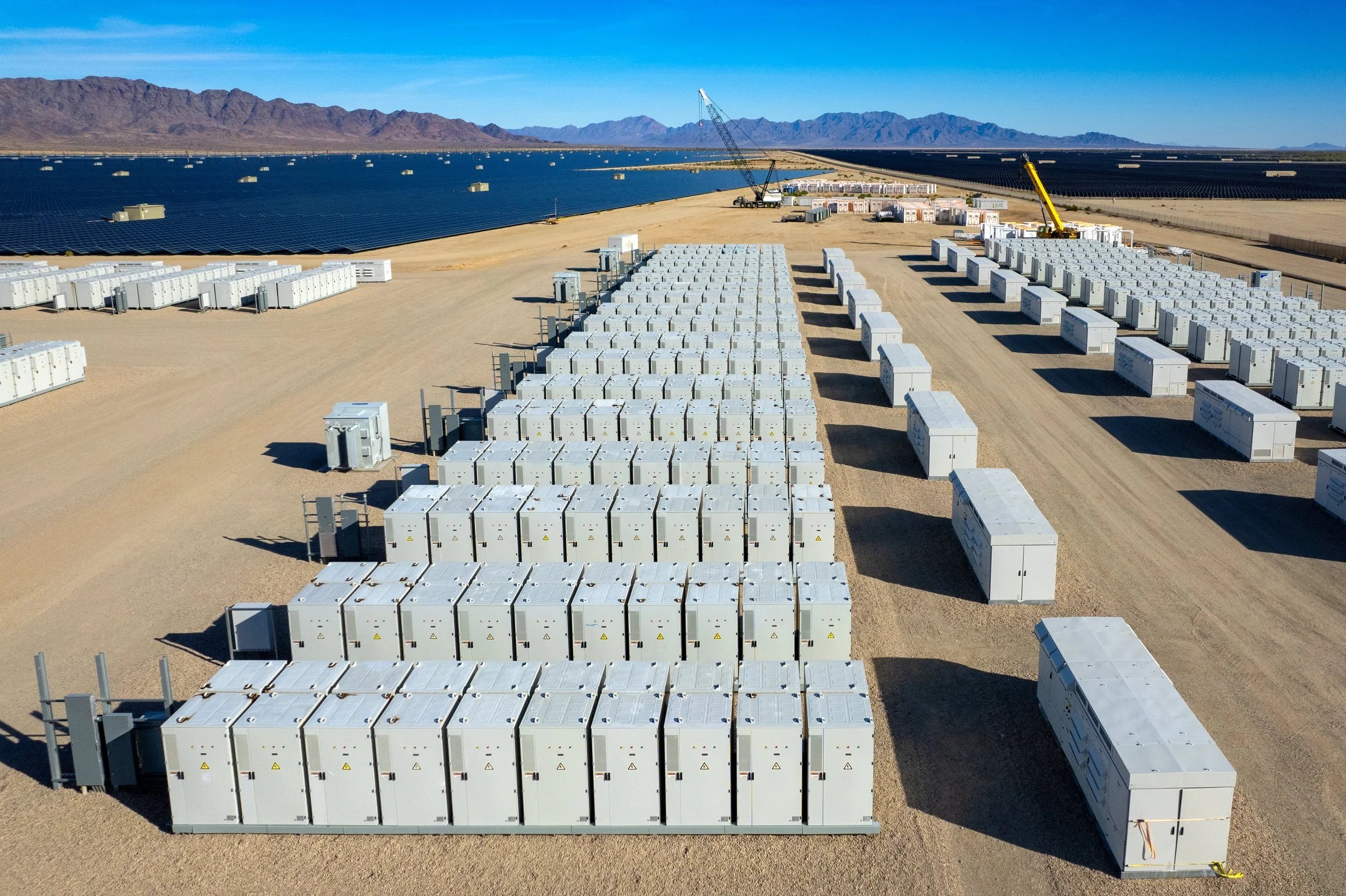
Open Letter - Wanted: European Batteries for Defence
We are writing as practitioners of energy, economic, environmental, and national security at a moment when all of these, as well as Europe’s industrial competitiveness and strategic autonomy, are threatened by China’s dominance of critical resources and supply chains.
Building better batteries and secure supply chains has been a top-of-inbox issue for Western political and industrial leaders for several years, initially driven by the push for electric vehicles. More recently, COVID and the Ukraine war have alerted us to both our near-total dependence on China, and the dangers of depending on adversaries for the building blocks of modern economic and military power. Meanwhile, battery capabilities have soared, and prices plummeted, in one of the greatest, if less heralded, innovation revolutions of recent years.