Strengthening European Battery Value Chains through the Industrial Accelerator Act
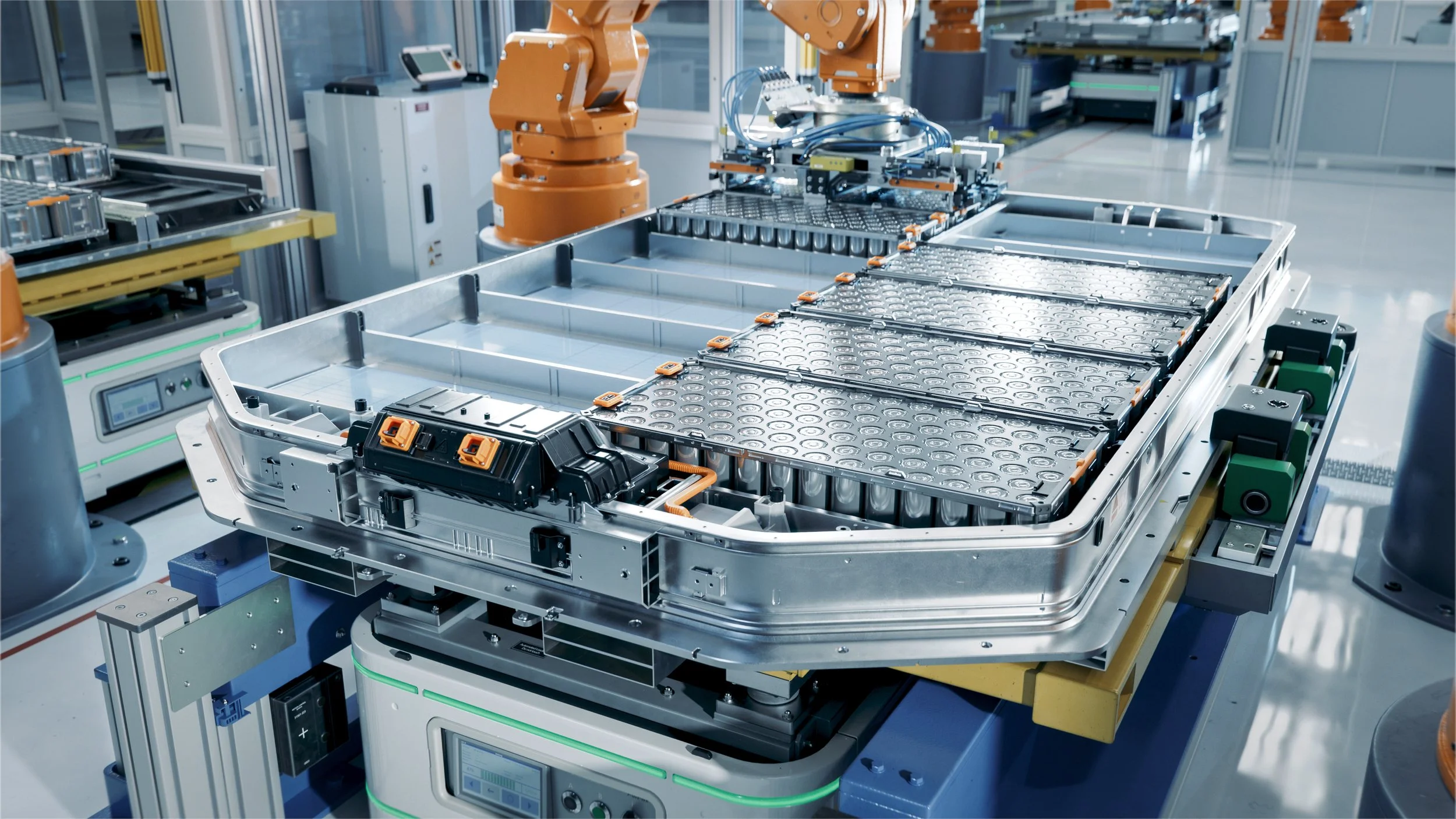
Batteries are the backbone of the modern economy. On 2 September, EIES and its partners convened policymakers, CEOs and senior leaders from across the battery value chain to discuss what the Industrial Accelerator Act (IAA) must deliver.
The message was unequivocal: the IAA could become a defining intervention in European industrial policy, but it will succeed only if it changes investment decisions and builds production in Europe.
Securing Europe’s Energy Transition: Lessons from a Scenario Game on Battery Storage and Resilience
Securing Europe’s Energy Transition: Lessons from a Scenario Game on Battery Storage and Resilience
Europe cannot prevent every energy-system shock, but it can design infrastructure, supply chains and policy to limit disruption and accelerate recovery: ‘resilience by design’.
For Europe, secure electrification means designing resilience into battery supply chains and energy systems from the outset. The EU should use the Industrial Accelerator Act, procurement and investment policy to anchor strategic capabilities in Europe, diversify trusted supply and ensure that critical systems can withstand disruption, recover rapidly and remain under trusted control.
This is the principal lesson drawn by participants spanning utilities and grid operators, battery systems and battery supply chains, investors and insurers, NATO, and European institutions.
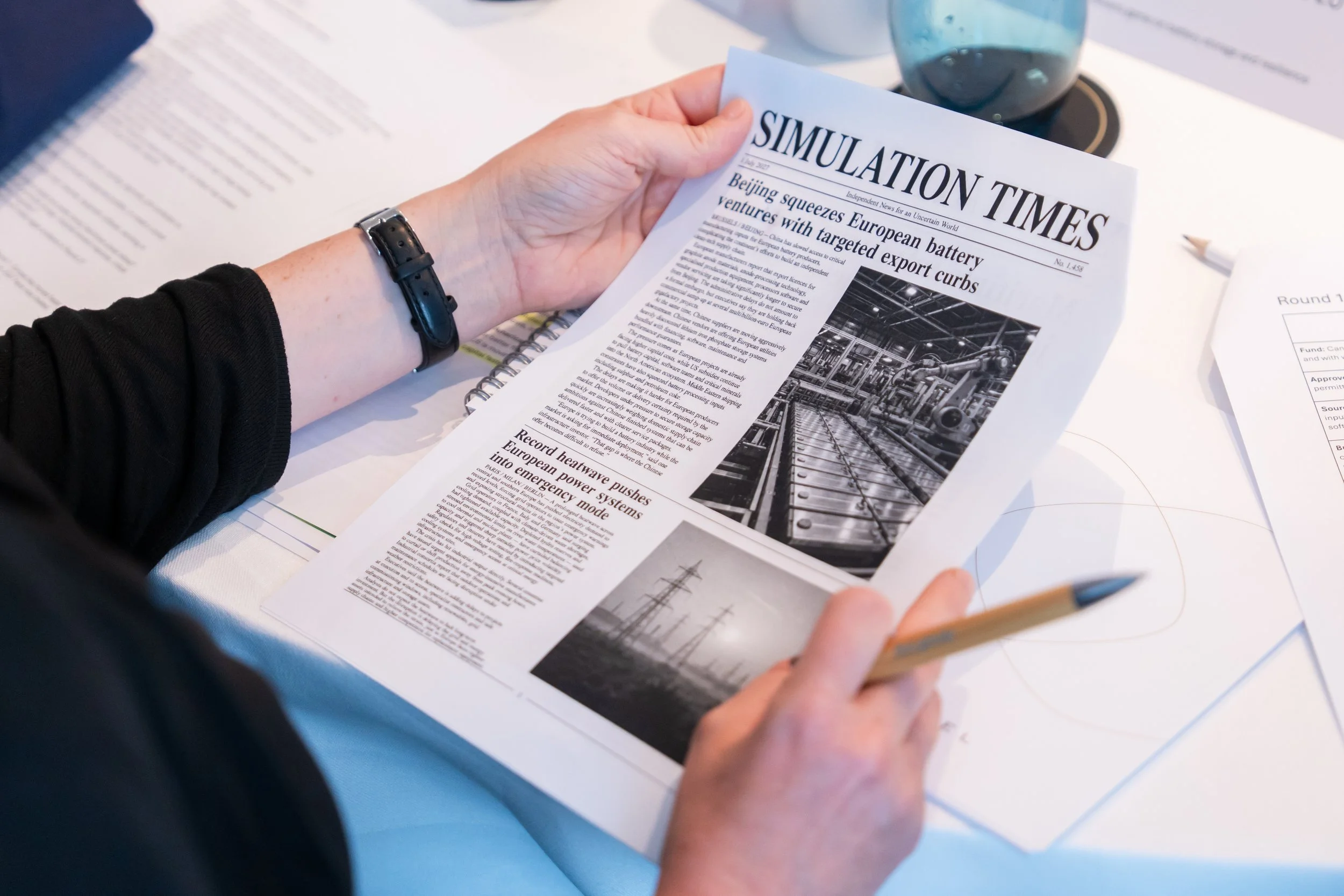
In the hypothetical 2027 scenario, repeated closures of the Strait of Hormuz cause a tightening of energy and battery-adjacent inputs, while heatwave-driven power stress is compounded by new US secure-battery rules. This creates an extraterritorial supplier shock, alongside additional cyber disruption in power balancing.
Building a European JOGMEC: The Case for an Autonomous, Market-Facing EU Critical Raw Materials Centre
EIES contribution to the European Commission's public consultation on the EU Critical Raw Materials Centre.
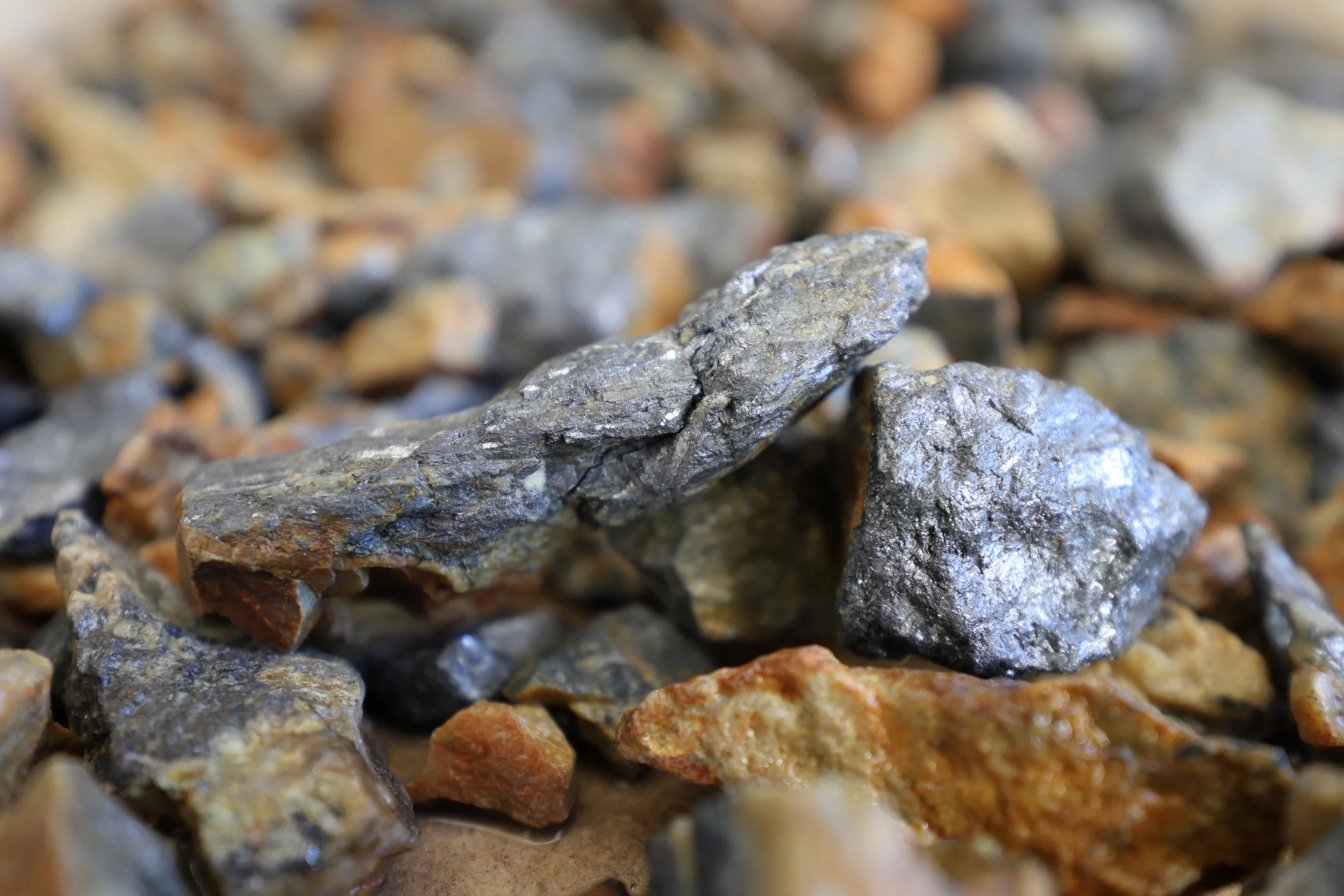
The European Critical Raw Materials Centre should be an autonomous European body or public-private partnership with its own legal personality outside the European Commission, capitalised through a blend of European Union (EU), member states’ and private money, and run by professionals.
The Centre should produce centralised market intelligence across materials value chains. The Centre should also be able to act to mitigate supply chain and market risks.
The Centre should be inspired by, but not blindly copy, Japan’s approach. It should have a lean, highly skilled in-house team with genuine experience in mining and metals equity and debt, hedging, logistics and commodity trading.
EIES recommends that the Centre be designed from inception to reduce its dependence on annual EU budget appropriations by monetising the market functions the Commission already proposes to give it.
Of the options on the table, an executive agency attached to the Commission should be excluded: it cannot raise capital, cannot take commercial risk, and cannot pay for market talent.
EIES recommends launching a European Minerals Investment Network (E-MIN) in the interim, to assess Europe’s needs across critical raw materials and direct public and private funds towards a pipeline of strategic projects.
Joint Statement on the Industrial Accelerator Act (IAA)
Statement on the Industrial Accelerator Act (IAA)
The IAA can turn Europe’s sustainable, competitiveness and security goals into industrial reality. In an era of aggressive resource and technological competition globally, Europe must urgently adopt a more assertive, impactful Made in EU strategy to rebuild its industrial leadership and secure its long-term competitiveness, economic security and clean energy future.
Batteries and their supply chains are critical in this. Beyond transport decarbonisation, batteries are a foundational technology for Europe’s strategic sectors – including resilient energy systems with clean power supply and grid stability, critical infrastructure, defense capabilities and advanced medical technologies. While Europe's battery sector faces severe market headwinds, immediate targeted support is critical to secure this strategic value chain before the window of opportunity closes.
Excessive dependencies on single-source third countries create strategic vulnerabilities for Europe. There is a real risk that dominant players will continue weaponising critical minerals. To defend the continent against external pressure, Europe needs a higher level of energy and supply chain security.
All this necessitates establishing a competitive and locally anchored battery ecosystem that is essential for strategic autonomy and sovereignty, and to reduce structural dependencies on imported fossil fuels. The transition must be implemented in line with industrial readiness and together with strategic partners with strong long-term technological and investment engagement in the European market. Therefore, strong IAA provisions are needed to create the investment certainty required to quickly scale a domestic European battery value chain, strengthen existing industrial assets and avoid further strategic dependencies.

REpower Europe's Energy and Grid Security: Key Takeaways
Statnett and EIES’ REpower Europe's Energy and Grid Security roundtable, held on 24 September 2025, brought together high-level representatives from NATO, the European Commission, the European Parliament, industry, and think tanks to exchange on solutions to the challenges facing Europe's energy infrastructure.