27 October 2026, Brussels
Europe's grid is now on the front line. Who protects it, and who pays?
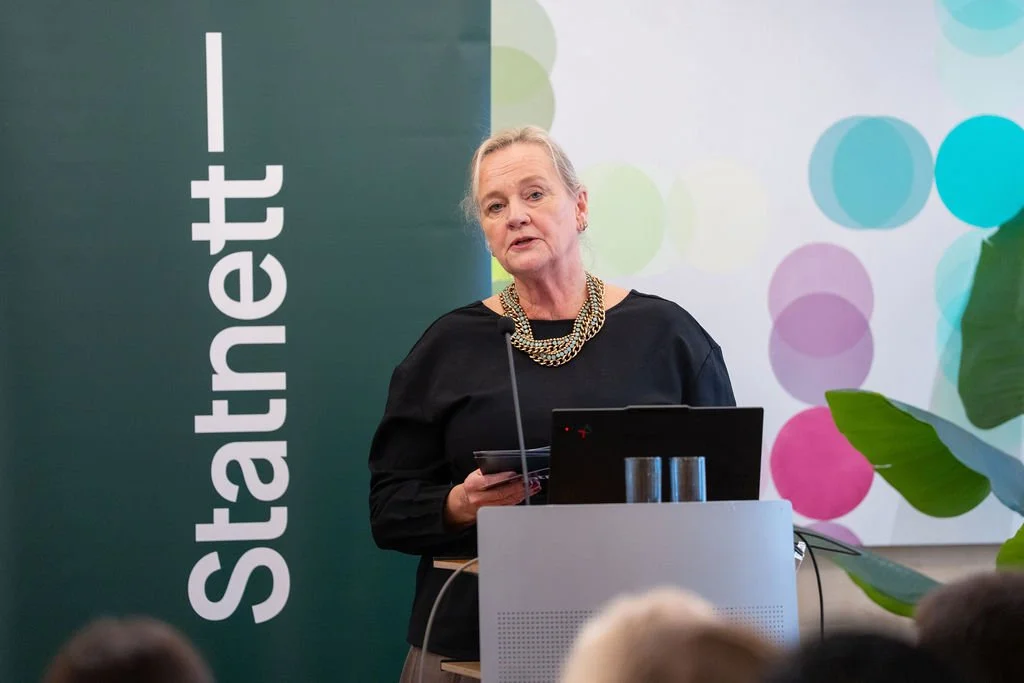
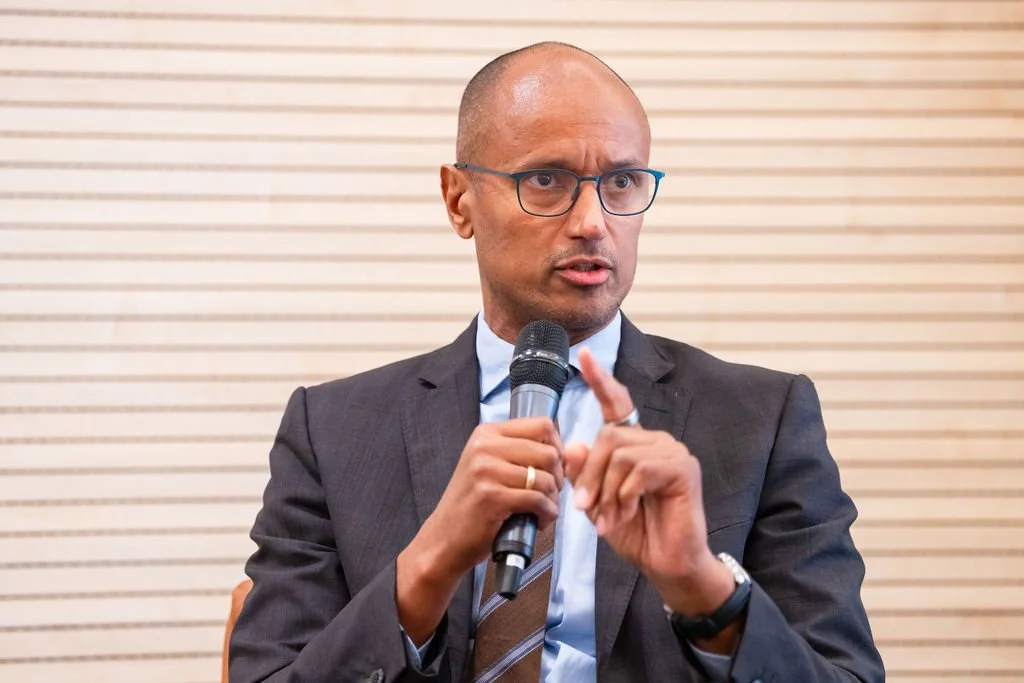
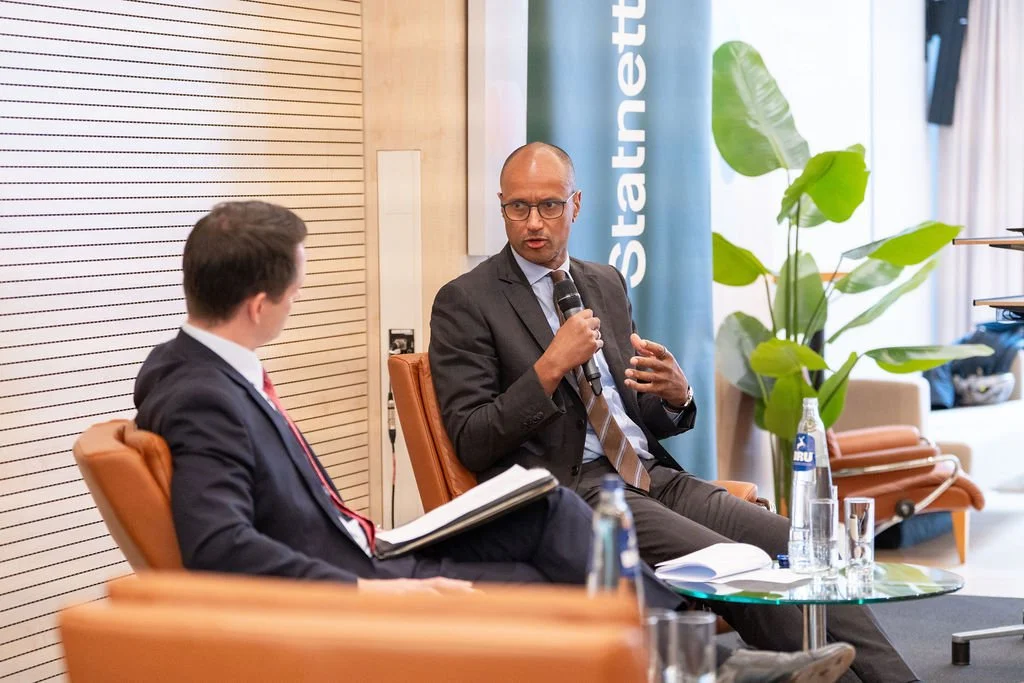
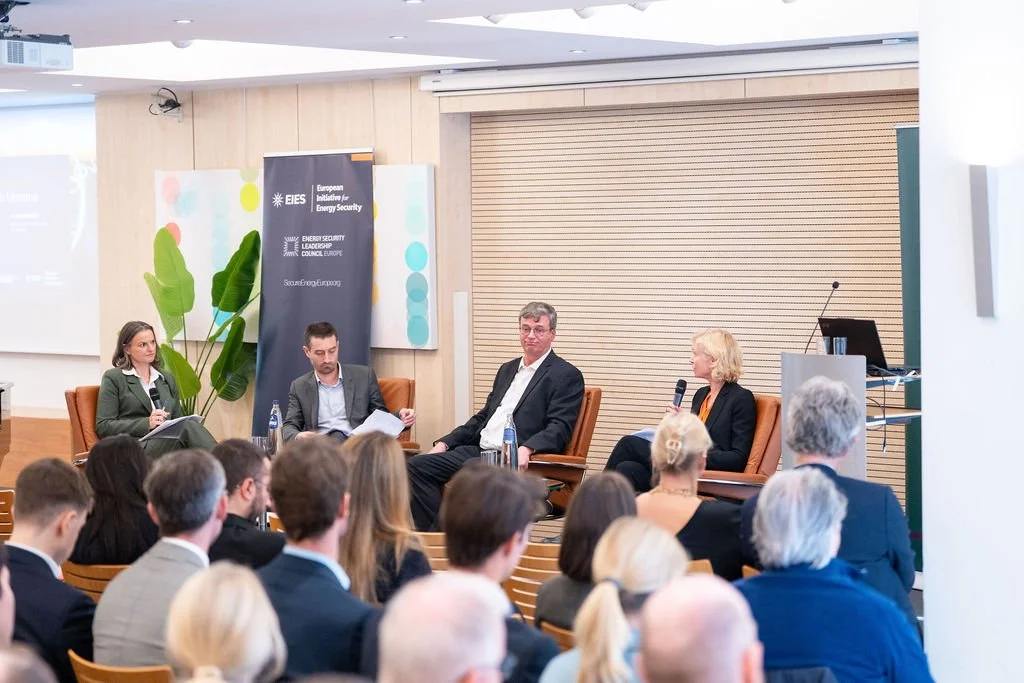
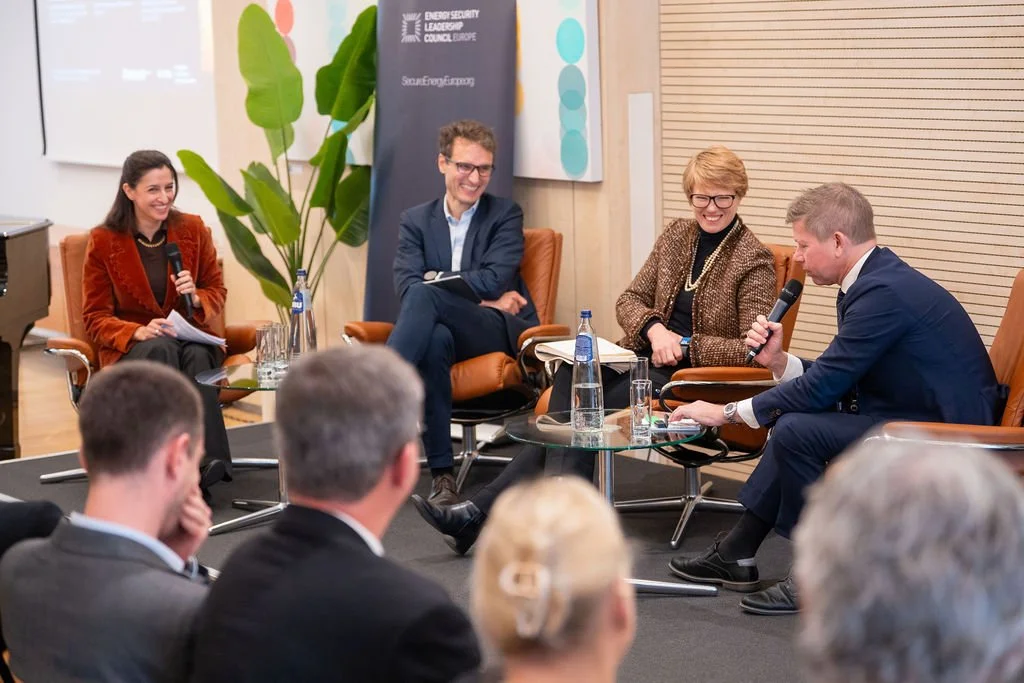
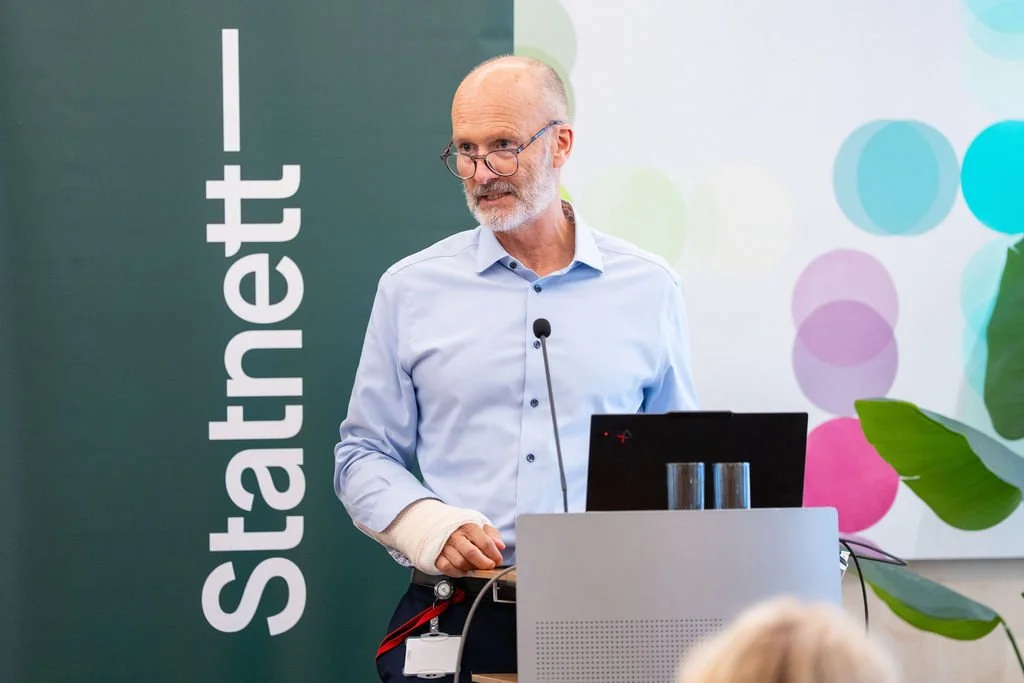
EIES and Statnett SF brought NATO, the European Investment Bank (EIB), grid operators and investors together to debate these questions.
With hybrid and cyber threats mounting, the room's message was blunt: a resilient, interconnected power system is a strategic asset and a prerequisite for Europe's competitiveness and sovereignty.
Three priorities for action:
1️⃣ Bridge the gap between capital and the grid.
The grid needs equity, not more debt, yet most investment needs sit with state-owned entities, municipalities and smaller operators. Europe needs pooled investment vehicles that bundle projects to spread risk and draw in investors.
2️⃣ Leverage public money.
Guarantees and co-investment from public lenders such as the EIB should crowd in private capital, not replace it. Where resilience earns no commercial return, the state must pay. Grid protection belongs in national defence budgets.
3️⃣ Make resilience investable and own the trade-offs.
Relying on high-risk suppliers is a security vulnerability Europe cannot afford. Governments should set clear supplier rules and decide who shares the cost, giving investors the certainty to commit.
For any questions, please reach out to Tim Kirstein.